MENU
- Home
- About Us
About Us
- Our Stories
Our Stories
- Our Impacts
Our Impacts
- Brands
Brands
- Innovation
Innovation
- Blog
Blog
- Career
Career
- Contact Us
Individuals and family, 6 January 2022
Origin Bright at Our Green Manufacture
By Kalbe Consumer Health
Electricity and Life
Electrical energy is the primary energy source widely used and needed by humans in everyday life. Electrical energy is one of the essential supporting factors for human life because lots of equipment usually use electricity as an energy source. With the importance of electrical energy for everyday life, electrical energy is essential to maintain because the amount of electrical energy is limited.
Electricity is something fundamental in our life. It is one of the most remarkable discoveries and has significantly impacted mankind.
After this great discovery, electricity could not separate human life from the presence of electricity. It's hard even to imagine life without electricity. You can thank Michael Faraday, known as the father of electricity.
You can see how our daily activities rely so heavily on electricity while on the move. Housework such as ironing, washing, and storing food requires electricity. They often use laptops, computers, and printers that rely on electricity to complete work or complete tasks/school assignments.
The benefits of electricity are so broad. One of these energy sources can even support our daily activities. Electricity is also energy that can be converted into various other powers, such as light energy, sound energy, motion energy, etc.
Almost every time, we can feel the benefits of electricity. Consciously or not, electrical energy has a significant contribution to every activity. Here are some of the benefits of electricity that we often feel in our daily activities.
The first benefit of electricity is as a source of lighting. Electricity makes the life of this world brighter. It would help if you also were grateful that you don't have to spend so many candles in one night as a source of light.
The conversion of electrical energy into light energy is beneficial to life. You can read at night, do office work, and feel more secure because you don't have to be afraid if you pass a road at night.
Various Power Sources
Electricity plays a vital role in our lives. You could say electricity has become the primary energy source in every human activity, both in households and industry. Everything requires electricity, from kitchen utensils to large factories and even airplanes machines. Usually, this electrical energy is obtained from converting kinetic energy through a generator into electricity. In addition, electrical power can be obtained from many sources, one of which is waste. As compiled from various sources, here are ten sources of electrical energy:
Nuclear
So far, nuclear energy is still the densest of all-natural energy sources that humans can develop. It means that we can extract more heat and electricity from a given amount than any other source with an equivalent amount. For comparison, 1 kg of coal and uranium are from the earth's bowels. If we extract electricity from 1 kg of coal, we can use a 100W lamp to run for 4 days, but if we use 1 kg of uranium, we can use it for at least 180 years; wow!
Oil
Oil is used for fuel in Diesel Power Plants (PLTD) and is widely found in Indonesia. It's just that this electrical energy-producing system can generate smoke waste that pollutes the air. In addition, oil is a non-renewable energy source. Therefore, we can choose to use alternative energy that is not renewable.
Wind Energy Source
This source requires no fuel because it comes from the wind, so wind speed determines how much power is generated. To use this generator requires strong winds so that coal can create large amounts of energy.
Coal
Coal can be very useful and very easy to find. But the disadvantage is that we need a big hole to utilize coal, which will cost a lot of money and space. In addition, the combustion products that produce smoke can cause air pollution.
Geothermal
Geothermal energy can also be used as a source of energy. The advantage of geothermal energy is that it never runs out. That is what distinguishes it from oil and coal. Unfortunately, there are not many places that can be built to generate energy from this source.
Solar
This unlimited energy can also be used as a source of electricity. It's just that it costs a lot of money to build the reactor. The weather factor is also one of the obstacles.
The Magic of Sun: How Solar Panels Work?
Electricity is a primary need for human life. Without electricity, electronic equipment cannot be used or function properly. Electricity is also a source of lighting for human life and is a basic need for all activities. The increasing demand for conventional electricity or PLN can cause an electricity crisis to occur at any time.
Many people are starting to switch to alternative energy sources to prevent this crisis. One of the most widely used alternative energy sources is Solar Power Plants, better known as PLTS. This power plant can be the best solution for those who want to be more energy-efficient and cost-effective.
How Solar Power Plants Work
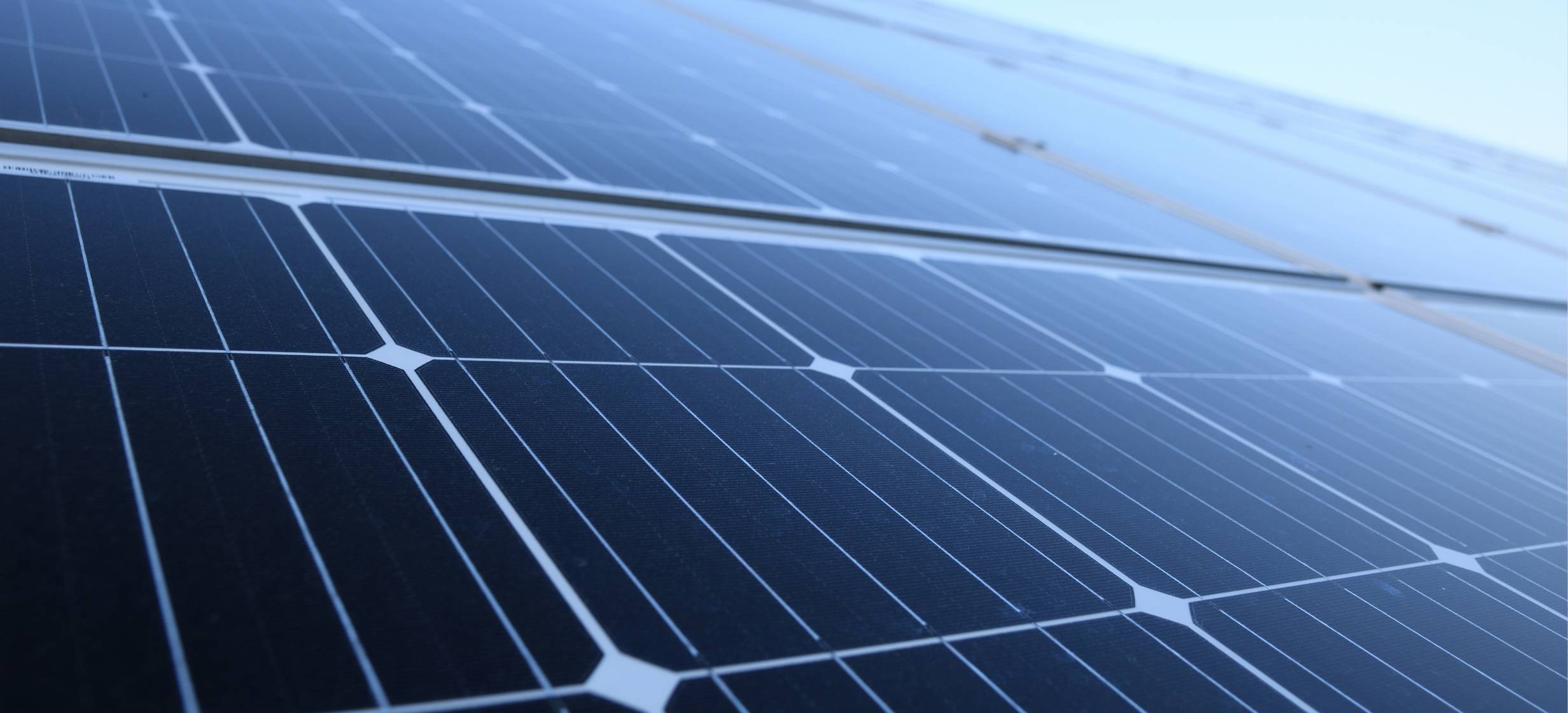
Solar Power Plant (PLTS) is a power plant that utilizes energy from sunlight to produce electrical energy. The main component of PLTS is photovoltaic solar panels that can convert solar energy into electrical energy for daily electricity needs. The electric current produced by photovoltaic solar panels is direct electric current (DC), so other components such as inverters are needed to convert this direct current (DC) into alternating current (AC).
Getting to know PLTS Roof
In addition to the solar panels installed on the ground, there is also a rooftop solar panel where solar panels are installed on the roof. Compared with other PLTS, this PLTS is more suitable for industrial, residential, and commercial buildings. At the top is a strategic location to get a lot of sunlight. The sunlight is then captured by solar panels mounted on the roof of your building or house.
Types of Rooftop PLTS
The type of solar panel can be adjusted according to your needs. The choices are very diverse. For example, the types of panels provided by SUN Energy are one kWp, two kWp, four kWp, and six kWp. In addition, SUN Energy also serves the installation of solar power systems on a larger scale, so that the types of panel products offered are very diverse.
Using PLTS is also much more environmentally friendly to reduce global warming. One kWp of solar energy can reduce CO2 emissions by 9 tons per year. For industry, factories, and commercial buildings, the PLTS is being applied more and more so that carbon dioxide gas emissions are also reduced more and more.
For example, using 200 kilowatts of power reduces 1,800 tons of carbon dioxide emissions. The amount of fuel such as coal that is burned for conventional power sources can be reduced. PLTS does not require energy like PLN electricity, so it will not cause air pollution. Industries and factories must be more environmentally friendly to maintain environmental quality in the future.
Solar Panels in Kalbe Consumer Health's Manufacture Site
Kalbe Consumer Health also uses solar energy to generate electricity through solar panels. The Group's manufacturer carries out this utilization in Cikarang, Deltamas. Although the primary source of electricity still comes from coal or PLN, Kalbe Consumer Health Manufacturing has taken a step forward to conserve natural resources.
The use of solar panels as a supporting energy source brings many benefits. The first is to support and factory movement for green manufacturing through GreeNovation. Second, which is no less critical, solar panels can save the company's expenses up to hundreds of millions a day.
So, let's take care of the earth together by saving electricity!
No Story Available









Kalia

